
Waterproofing Matters: Stop Moisture Before It Starts

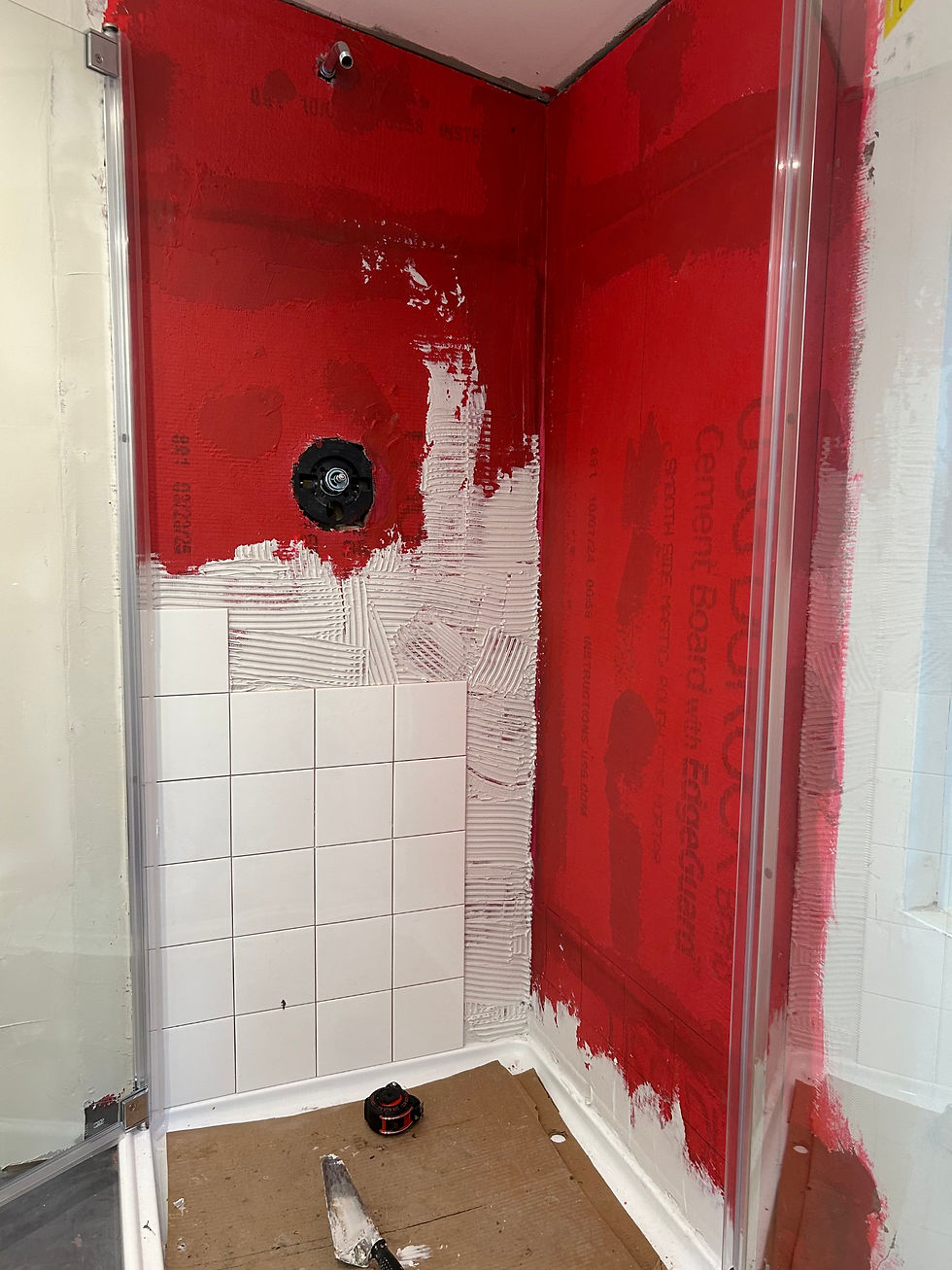
If you’ve ever stepped into a bathroom and noticed peeling paint, musty odors, or even soft spots on the floor, you’ve probably seen what moisture damage looks like. Water has a sneaky way of working itself into places it doesn’t belong—and once it gets in, it can cause serious problems. That’s why waterproofing your bathroom isn’t just a technical box to check off during a renovation—it’s one of the most important steps to protect your home in the long run.
Why Waterproofing Deserves Your Attention
Bathrooms are high-moisture zones. Between long steamy showers, running sinks, and the occasional splash zone near the tub, it's no surprise that water can build up and seep into the surfaces behind your walls or beneath your floors. Over time, that trapped moisture can lead to mold growth, rotting subfloors, damaged drywall, and even structural issues.
The truth is, it’s easy to overlook waterproofing during a remodel because it’s hidden behind the pretty stuff—tile, paint, and fixtures. But skipping it, or cutting corners, can cost a lot more down the line.
Where Waterproofing Comes Into Play
When we’re working on a bathroom renovation, we think of waterproofing as the invisible shield behind the beauty. Here’s where it really counts:
Shower and Tub Areas: These see the most direct and frequent water contact. We always install waterproof membranes behind wall tile, apply proper sealants at joints, and ensure proper slope for water drainage.
Floors and Subfloors: Even the best tile job can leak without proper protection underneath. We use waterproofing products that create a barrier between the tile and the subfloor, preventing water from soaking through.
Behind Vanities and Around Sinks: These areas are splash-prone, especially in busy households. Moisture-resistant drywall and proper caulking help keep things sealed tight.
Transitions and Corners: Corners and seams are weak points, so we take extra care with sealing and using waterproof tape or membranes to reinforce those areas.
Long-Term Benefits of Doing It Right
When your bathroom is properly waterproofed, you can breathe easier—literally. No hidden mold. No warped floors. No surprise repairs a few years down the line. It’s a layer of protection that keeps your renovation looking good and performing well for years to come.
And if you're investing in a full bathroom remodel, taking the extra time and budget for high-quality waterproofing isn't just smart—it’s essential. It gives you peace of mind, especially if you plan to stay in your home for a while or eventually rent or sell.
What You Can Do as a Homeowner
Even if you're not doing a full renovation, it's worth checking on your current bathroom’s condition. Look for:
Cracked grout or caulk around the tub or shower
Peeling paint or bubbling walls
Musty smells that don’t go away
Water pooling or slow-draining areas
If anything feels off, it might be time for a little maintenance—or a bigger fix. A professional can help assess the extent of moisture damage and recommend the best waterproofing approach.
At Hammers and Nails Pro, we treat waterproofing as a key part of every bathroom project. We know what’s behind the walls matters just as much as what you see on the surface. Because when it’s done right, you won’t have to think about it again.


